


How a Professional Privacy Audit and Malware
July 25, 2026


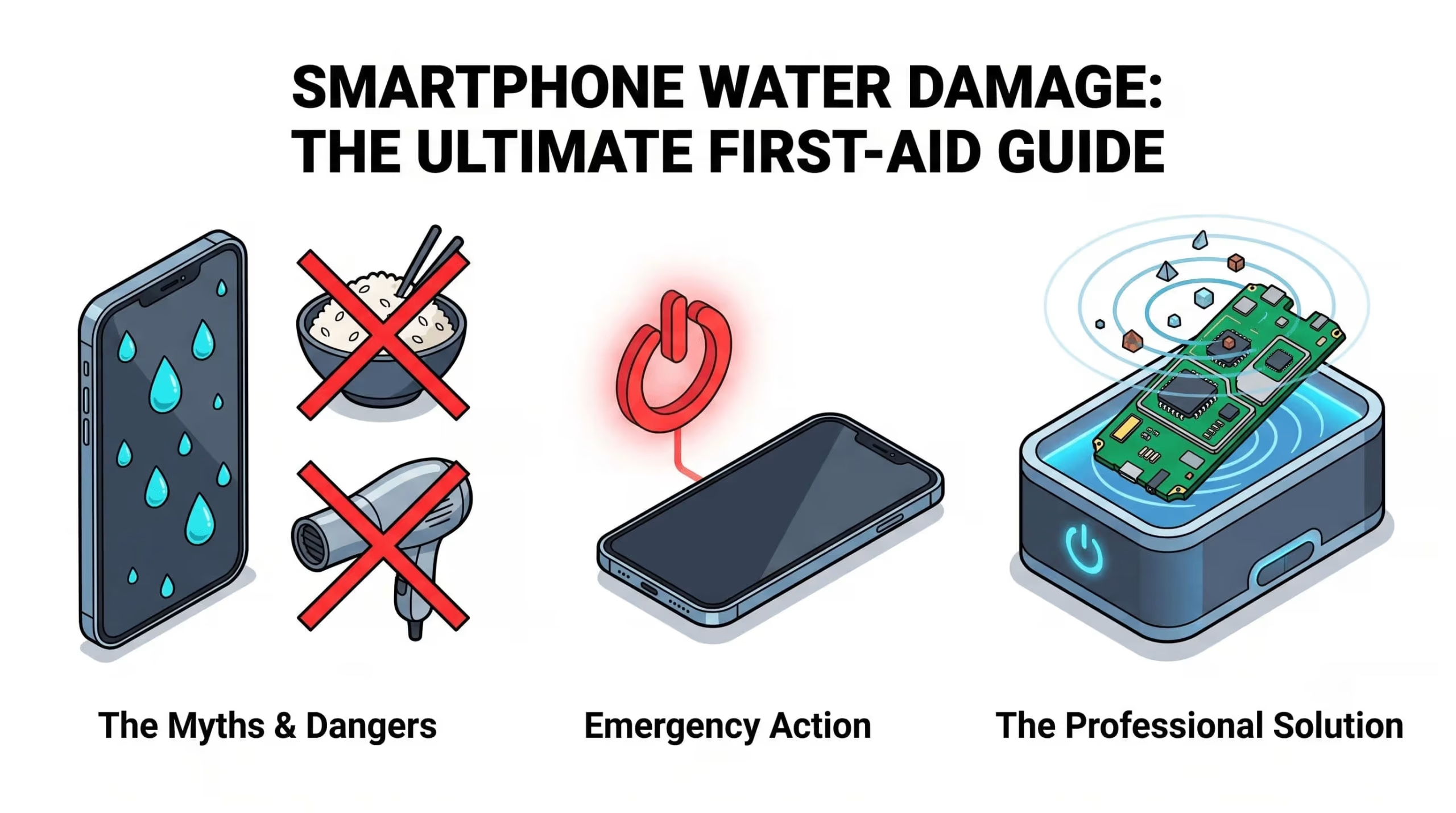
Knowing exactly what to do when the phone gets wet can mean the difference between a quick recovery and permanent logic board failure. When a device is exposed to liquid, panic often leads to catastrophic mistakes like attempting to charge the battery or using a hairdryer which rapidly accelerates internal corrosion and pushes moisture deeper into sensitive micro-components.
Instead of relying on ineffective internet myths like the rice trick, immediately power down your handset and remove all accessories. Gently dab the exterior dry and avoid pressing any buttons. To properly mitigate short-circuit risks and prevent irreversible electrochemical damage, secure a professional liquid damage diagnostic immediately. Certified technicians utilize specialized ultrasonic equipment to safely dismantle the device, displace trapped moisture, and clean the motherboard before fatal corrosion sets in.
When disaster strikes and your device takes an unexpected plunge, fast action is the only way to prevent permanent logic board corrosion. The ultimate first-aid protocol is simple but counterintuitive: power the handset down immediately, avoid the destructive “rice trick,” and never plug it into a charger. Attempting to power a wet device triggers an instant electrochemical short circuit, rapidly frying delicate IC chips and display connectors.
To truly salvage your hardware and recover trapped data, DIY methods are insufficient. Securing professional cell phone water damage repair Edmonton services is the only way to halt internal rust and mineral buildup. At local repair centers like CellShoppe in West Edmonton, certified technicians use advanced ultrasonic cleaning baths and microsoldering techniques to safely extract liquid ingress from the motherboard. By relying on expert diagnostics rather than internet myths, you dramatically increase the survival rate of your device and protect sensitive hardware from permanent failure.
The moments immediately following liquid exposure dictate whether your device survives. Executing proper emergency phone triage Edmonton protocols within the first 60 seconds is vital to halting galvanic corrosion. First, do not press buttons to check if the screen works power down the handset instantly. Leaving the device active allows electrical currents to interact with intruding moisture, causing immediate logic board short circuits.
Next, strip away the case, SIM tray, and any peripherals to create ventilation pathways. If your device already suffered from physical damage, such as the micro-fractures discussed in our “Should You Repair Your Phone or Upgrade to a New Device?” guide, liquid will bypass the factory IP68 seal instantly. Keep the device upright and entirely unpowered until a certified technician can perform an ultrasonic internal cleaning.
The absolute most important step you can take when your phone gets wet is turning it off immediately. Do not press any extra buttons to see if the screen still works. When a phone stays on, the electricity flowing through its internal parts mixes with the intruding water. This dangerous combination causes logic board electrolysis, a fast chemical reaction that literally eats away at the metal connectors inside your device. Instantly powering down your handset is the only reliable method for complete short circuit prevention, keeping the motherboard safe until it can be properly opened and cleaned.
Once the power is off, you need to strip the phone down to allow fresh air to flow inside. Remove your protective case immediately, as cases easily trap water against the glass and charging ports. Next, pop out your SIM card tray. This creates an open doorway for trapped moisture to escape.
While the SIM tray is out, shine a small flashlight into the open slot to check your liquid damage indicator LDI.
White or Silver: The internal moisture sensors are still dry.
Solid Red or Pink: Liquid has officially breached the inside of your phone, and professional cleaning is required.
After removing the accessories, let gravity do the heavy lifting to help the water escape. Hold your phone upright with the charging port facing the floor, and gently tap it against your hand to shake out loose drops. Leave the device resting on a dry towel in a room with good airflow. You must rely purely on passive drainage. Never use a hairdryer, radiator, or direct sunlight to dry the phone. Blowing hot air will simply push the water deeper into the delicate camera lenses, while the intense heat can easily melt the factory glue holding your screen together.
When dealing with a wet device, the most dangerous thing you can do is rely on the rice trick water damage myth. While popular online, burying your phone in uncooked rice is a critical mistake. Rice simply cannot absorb moisture quickly enough to stop rapid internal corrosion.
Even worse, the fine starch powder and tiny debris from the grain easily get packed deep into your charging port and speaker grills, creating a thick paste when mixed with water. This false sense of security delays proper professional treatment while your motherboard silently rusts. Prolonged liquid exposure also severely degrades your internal power cells. Just like understanding “The Truth About Smartphone Battery Health When is it Time for a Replacement?”, recognizing the true dangers of moisture ingress ensures you seek expert ultrasonic cleaning before your hardware is permanently destroyed.
Putting your wet phone into a bag of uncooked rice actually does more harm than good. Rice grains are covered in a fine layer of starch dust. When this dry dust mixes with the water hiding inside your charging ports, headphone jacks, and speaker grills, it turns into a thick, sticky paste. This paste completely blocks the open pathways your phone needs to properly dry out, trapping the humidity tightly inside the device. Instead of fixing the problem, the rice trick leaves you with clogged connection ports that will likely prevent your phone from charging even after it dries.
Another common panic reaction is trying to blow-dry the water away. Using a hairdryer, an oven, or placing the device on a hot radiator is incredibly dangerous for modern electronics.
Introducing extreme direct heat to your wet handset causes three major problems:
Battery Swelling: High temperatures stress the lithium-ion power cell, causing it to quickly expand and potentially push your screen right off the frame.
Melting Seals: The intense hot air easily melts the factory glue and delicate rubber gaskets holding the phone together.
Spreading the Damage: The force of blown air simply pushes the water drops deeper into the dry areas of the logic board and camera lenses.
Sometimes, a wet phone will turn back on after sitting in a bowl of rice, giving you a very false sense of security. However, as the water slowly dries, it leaves behind microscopic minerals on the motherboard. Over the next few days or weeks, these minerals will silently rust the metal parts, eventually causing a delayed circuit breakdown where the phone suddenly goes dark forever.
The only true way to save a wet device is professional micro-corrosion removal. A technician will safely open the phone, scrub the motherboard in a specialized ultrasonic cleaning bath, and strip away every tiny trace of rust. While exploring guides on How to Fix Your Phone for minor software bugs is great, liquid damage is one physical repair that always requires expert chemical cleaning to prevent total device failure.
Understanding the science behind water damage explains exactly what to do when the phone gets wet. Pure water itself isn’t the true enemy; the real threat comes from the invisible minerals and salts dissolved inside the liquid.
When tap water or rain enters your device, these minerals trigger ionic conduction, creating dangerous electrical bridges between logic board components that should never touch. This immediately sparks fatal short circuits. As the moisture evaporates, it leaves behind a corrosive mineral crust that silently eats away at delicate metal connectors. Halting this chemical destruction is your absolute first priority for hardware survival. Once a professional cleans the board and your device powers back on safely, learning “How a Professional Privacy Audit and Malware Scan Can Protect Your Used Phone”. is the perfect next step to ensure your handset is completely secure, both physically and digitally.
When a device takes a spill, the exact type of liquid matters just as much as how long it was submerged. Different liquids cause very different levels of internal harm:
Fresh Water: Rain or clean tap water is dangerous, but it contains the lowest amount of harmful minerals.
Saltwater and Pool Water: Ocean salt and pool chlorine are highly aggressive. They speed up rust and eat through delicate metal connectors in just minutes.
Sugary Drinks: Spilled soda, juice, or coffee leaves behind a sticky, acidic syrup. This residue traps moisture tightly against the microchips and continues damaging the phone even after the water dries.
Many people assume their modern handset is completely waterproof. In reality, devices rely on a thin strip of rubber adhesive applied around the screen at the factory. Over time, normal daily heat, minor accidental drops, and general aging cause an IP68 rating water resistance breakdown. Once this protective seal weakens or dries out, it permanently loses its ability to block liquids. A phone that survived a puddle last year might instantly flood today because those internal safety barriers have simply worn out.
If liquid breaches the seal, the resulting rust and minerals must be professionally removed to save the device. A standard isopropyl alcohol board flush is often used first to push out wet moisture and dissolve sticky sugars. However, alcohol alone cannot reach the hard mineral deposits hiding deep underneath the tiny chips.
To fully save the phone, expert repair shops rely on ultrasonic board cleaning. This advanced machine uses gentle sound waves to vibrate a special chemical liquid through every microscopic corner of the motherboard, safely lifting away all the hidden rust. While exploring guides on How Do you Clean Your Phone is great for wiping daily smudges off the outer glass, saving the internal logic board always requires professional chemical neutralization.
Knowing exactly what to do when a phone gets wet ultimately comes down to one critical step: getting it to a certified professional before galvanic corrosion destroys the logic board. At-home remedies simply cannot reverse the invisible chemical breakdown happening inside your device. For reliable water damage phone repair Edmonton, expert technicians rely on advanced ultrasonic board restoration.
This highly specialized process involves safely dismantling your handset and submerging the motherboard in a customized, frequency-controlled ultrasonic bath. These microscopic sound waves gently strip away hardened mineral deposits, acidic residue, and hidden rust from deep beneath the logic board’s integrated circuits. By opting for certified local diagnostics rather than risky DIY drying methods, you ensure the highest possible chance of recovering your invaluable personal data and restoring full hardware functionality.
When water ruins the tiny metal paths inside your phone, simply drying it out is not enough. The rust eats away at the connections that give the device power. To actually fix water damaged phone Edmonton devices, expert technicians use a specialized skill called micro-soldering. Using a powerful microscope and a precise heating tool, they carefully remove the rusted chips and melt fresh metal connections into place. While a basic software update might solve Common Smartphone Issues, severe liquid damage requires this highly trained, physical repair to bring a completely dead motherboard back to life.
Sometimes, a phone sits in water for too long and cannot be fully restored for daily use. However, your family photos, messages, and contacts are often still hiding safely inside the memory chip. This is when experts shift their focus entirely to water damage data recovery.
To rescue your important digital files, technicians use a targeted approach:
Bypassing Broken Parts: They skip ruined components like the screen or battery and send safe power directly to the motherboard.
Temporary Board Repair: They fix just enough of the broken circuits to force the phone to turn on one last time.
Secure File Transfer: The moment the device boots up, they quickly copy all your files onto a safe external drive.
When liquid enters your device, the clock is ticking. Waiting even one extra day allows the internal rust to spread deeper into the delicate microchips. Securing a reliable cellshoppe edmonton water damage repair service immediately ensures your device is opened, dried, and cleaned before the corrosion becomes permanent.
Under normal circumstances, you might want to turn on Maintenance Mode Before Fix Your Device to lock your personal apps before handing it to a technician. However, a wet phone is the one major exception. You must keep the power completely off to prevent instant electrical short circuits. Relying on local, same-day emergency diagnostics gives your hardware and your personal data the absolute best chance of survival.
A wet smartphone is a race against time and chemistry. When liquid breaches your device, your immediate reaction dictates whether the hardware survives. Powering down the handset instantly and avoiding dangerous internet myths like the rice trick or using hairdryers are your best defenses against rapid logic board electrolysis and permanent short circuits.
True liquid damage recovery goes far beyond simply drying the outside of the phone. It requires professional ultrasonic board cleaning and precise chemical neutralization to halt the hidden corrosion that silently destroys internal microchips. By trusting the certified technicians at CellShoppe in Edmonton for emergency diagnostics, micro-soldering, and data recovery, you give your hardware and your invaluable personal files the absolute highest chance of survival. Do not let a quick spill turn into a permanent loss, keep the power off, skip the rice, and seek expert restoration immediately.
Quick Questions!
The very first and most critical action is to power down the handset immediately. Do not press any unnecessary buttons to check if the screen still functions. Keeping the device active allows electrical currents to mix with the intruding moisture, creating an immediate short circuit that can fry the motherboard. Once powered off, strip away the protective case and SIM tray to create ventilation pathways, and keep the phone upright to allow passive drainage.
The “rice trick” is a dangerous myth because uncooked rice cannot absorb moisture fast enough to halt rapid internal corrosion. Worse, rice grains are coated in a fine starch dust. When this dry powder mixes with the water trapped inside your charging port, headphone jack, and speaker grills, it creates a thick, sticky paste. This paste completely blocks the open pathways your device needs to dry out, trapping the humidity tightly inside and accelerating the rusting process on your motherboard.
No, exposing your device to extreme direct heat is incredibly dangerous for modern electronics. Using a hairdryer, oven, or hot radiator severely stresses the lithium-ion power cell, which can cause the battery to swell rapidly and push the screen off the frame. Additionally, intense hot air easily melts the factory glue and delicate rubber gaskets holding the phone together, while the force of the blown air simply pushes the water drops deeper into dry areas like the camera lenses and logic board.
You can check your Liquid Damage Indicator by removing the SIM card tray and shining a small flashlight into the open slot. The LDI is a small internal sensor designed to detect moisture ingress. If the indicator is white or silver, the internal sensors are still dry. If the sticker has turned solid pink or red, liquid has officially breached the internal cavity of your phone, confirming that professional chemical cleaning is required to prevent logic board failure.
It is never safe to plug in a water-damaged device. Attempting to charge a wet handset triggers an instant electrochemical short circuit. Pushing raw voltage through wet charging pins and rusted internal connectors will rapidly fry delicate integrated circuit (IC) chips and display connectors. You must leave the device unpowered and unplugged until a certified technician can open the frame and physically verify the motherboard is completely dry.
Logic board electrolysis is a rapid chemical reaction that occurs when electrical currents interact with dissolved minerals and salts in the trapped water. This reaction creates dangerous electrical bridges between logic board components that should never touch, literally eating away at the microscopic metal connectors. Electrolysis begins the exact second the water meets an active electrical current, which is why powering off the phone instantly is the only way to halt this destructive process.
Yes, water resistance is not a permanent condition. Modern smartphones rely on a thin strip of rubber adhesive applied around the screen at the factory to block liquids. Over time, normal daily heat cycles, minor accidental drops, chassis micro-fractures, and general aging cause an IP68 rating water resistance breakdown. Even if your device matches the physical descriptions in a Refurbished iPhone Excellent Condition Guide, those internal safety barriers naturally dry out and weaken, meaning a phone that survived a spill last year might instantly flood today.
Yes, the exact type of liquid dictates the severity of the internal damage. While fresh tap water triggers shorts, ocean saltwater and pool chlorine are highly aggressive and conductive. The heavy concentration of sodium and harsh chemicals speeds up galvanic corrosion exponentially, eating through delicate metal connectors in a matter of minutes. Spilled sugary drinks like soda or coffee are equally destructive, as they leave behind a sticky, acidic syrup that traps moisture tightly against the microchips.
While a standard isopropyl alcohol board flush is useful for pushing out wet moisture and dissolving surface-level sugars, it cannot break down hardened mineral deposits hiding deep beneath the tiny integrated chips. Professional ultrasonic board cleaning uses advanced, frequency-controlled sound waves to vibrate a customized chemical solution through every microscopic corner of the motherboard. This safely lifts away all hidden rust and corrosive crust that manual scrubbing simply cannot reach.
Yes, specialized water damage data recovery is often possible even if the device cannot be fully restored for daily use. Technicians can bypass ruined components like a shortened screen or bloated battery and send safe, regulated power directly to the motherboard. By performing a temporary board repair to fix just enough of the broken circuits, they can force the phone to boot up one last time and securely transfer your family photos, messages, and contacts to an external drive.
When liquid ruins the tiny metal pathways that distribute power across the logic board, surface cleaning is no longer enough. Micro-soldering is a highly specialized, physical repair where expert technicians use a powerful microscope and precise thermal tools to safely extract the rusted or fried microchips. They then melt fresh metal connections into place and install brand-new chips, effectively rebuilding the broken circuits and bringing a completely dead motherboard back to life.
When dealing with liquid ingress, securing local, same-day emergency diagnostics is crucial to preventing permanent corrosion. Edmonton residents can rely on certified technicians at local repair centers like CellShoppe in West Edmonton. Utilizing enterprise-grade ultrasonic cleaning baths and expert micro-soldering techniques, these specialists safely dismantle the device, displace trapped moisture, and execute strict chemical neutralization to give your hardware and personal data the absolute highest chance of survival.

Director IT and Marketing
Based in Edmonton, Alberta, Dr. MD Samiul Islam is an Information Systems Consultant, Generative AI Specialist, and Machine Learning Engineer. Holding a Ph.D. in Computing Science from the University of Alberta, he specializes in model interpretability, responsible AI frameworks, and scalable MLOps architectures across Azure, AWS, and GCP. Dr. Islam designs production-grade AI pipelines and predictive analytics solutions using PyTorch, TensorFlow, and LangChain. His domain experience spans high-impact enterprise applications, including satellite crop mapping, hydrological flood modeling, and epidemiological data analytics.
July 25, 2026
July 24, 2026
July 23, 2026
July 22, 2026
July 9, 2026
July 9, 2026
Address: 15803 87 Ave NW, Edmonton, AB T5R 4G7, Canada
Phone: +1 587-444-5888
Support


To Grab The Offer, Fill The Form and Submit Now!